Scent and Serenity: The Rising Importance of Aromatherapy

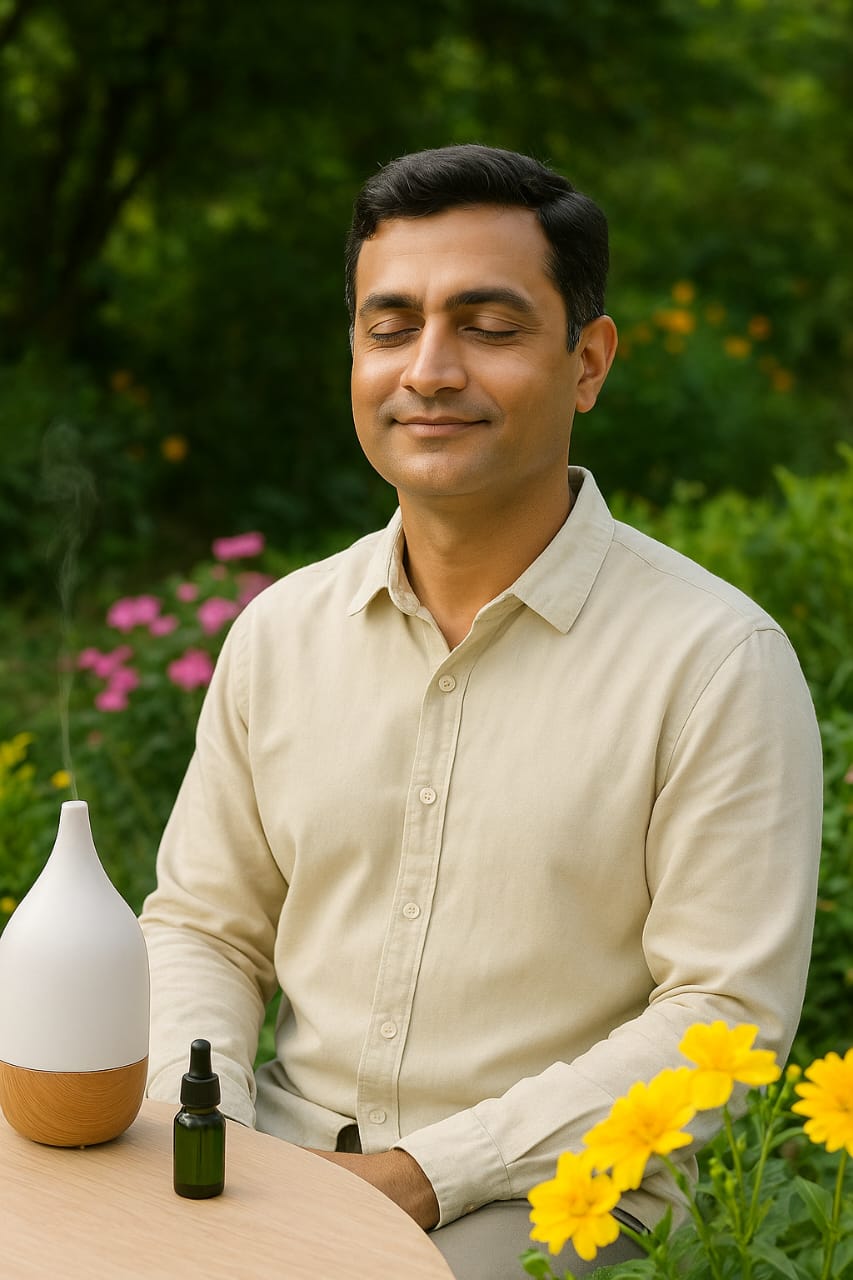

The influence of fragrance on human life is often deeper than we realize. The scent of a familiar flower, the smell of fresh leaves, or the aroma of rain-soaked soil can instantly transport us to cherished memories, calm our minds, and create a sense of comfort and peace.
This remarkable connection between scent and human well-being has given rise to Aromatherapy, a natural and holistic wellness practice that is gaining increasing recognition around the world. Beyond physical relaxation, aromatherapy is widely used to support mental well-being, emotional balance, and spiritual practices.
Nature’s Gift and the Origins of Aromatherapy:
Aromatherapy is based on the use of essential oils extracted from flowers, leaves, fruits, seeds, and other aromatic plants.For centuries, civilizations across the world have utilized fragrant plants for healing, relaxation, and spiritual rituals.
Today, advances in science and technology have enabled these natural extracts to become an important component of wellness programs. In many developed countries, aromatherapy is no longer limited to spas and beauty treatments; it is increasingly recognized as a holistic approach that seeks harmony between the body, mind, and spirit.
Supporting Physical Well-Being:
Essential oils such as lavender, eucalyptus, rosemary, and peppermint are widely used in wellness settings. Various studies suggest that certain aromas may contribute to relaxation, improved sleep quality, and relief from everyday stress and fatigue.
Hospitals, rehabilitation centers, and wellness facilities in several countries have incorporated aromatherapy into patient-care environments to promote comfort and relaxation. While aromatherapy is not a substitute for conventional medical treatment, it is often used as a complementary approach to enhance overall well-being.
Mental and Emotional Benefits:
The human sense of smell is closely connected to the limbic system, the part of the brain involved in emotions, memories, and behavior. This unique connection explains why a particular scent can evoke powerful memories or influence mood almost instantly.
Lavender, rose, bergamot, and citrus-based essential oils are frequently associated with feelings of calmness and emotional balance. As a result, many corporate offices, educational institutions, meditation centers, and wellness clinics now use fragrance diffusers to create more pleasant and relaxing environments.
Aromatherapy and Spiritual Practice:
The use of fragrance in spiritual traditions is far from new. Throughout history, aromatic woods, flowers, and resins have played important roles in religious ceremonies, meditation, and contemplative practices.
Today, scents such as sandalwood, frankincense, lotus, and patchouli are commonly used during meditation and yoga sessions. Many practitioners believe that these aromas help create an atmosphere conducive to concentration, self-reflection, and inner peace. Consequently, their use continues to grow in spiritual and wellness communities worldwide.
The Potential of Aromatherapy in Bangladesh:
Although aromatherapy remains relatively new in Bangladesh, the country possesses significant potential for growth in this field. Its rich biodiversity, agricultural resources, and growing interest in natural wellness create favorable conditions for the development of an aromatherapy sector.
Expanding Education and Training:
Educational institutions could introduce introductory and diploma-level programs in aromatherapy and natural wellness. Related fields such as music therapy, sound therapy, psychology, and holistic health may also benefit from incorporating aromatherapy into their curricula.
Community organizations, non-governmental organizations, and local initiatives can further promote public awareness and practical training at the grassroots level.
Developing a Local Essential Oil Industry:
Bangladesh is home to numerous aromatic plants, including rose, basil, lemongrass, lemon, and bael leaves. With proper research and investment, these resources could support the development of a domestic essential oil industry.Collaboration between agricultural researchers, entrepreneurs, and local communities could create new brands, generate employment opportunities, and open doors to export markets.
Community-Based Wellness Services:
Wellness centers at district and sub-district levels could provide aromatherapy-related services through trained practitioners. Such initiatives may be particularly valuable in programs focused on women’s well-being, postnatal emotional support, rehabilitation services, youth development, and educational environments seeking to promote concentration and relaxation.
Research and Clinical Evaluation:
Universities, psychology departments, medical institutions, and research organizations can play a crucial role in evaluating the effectiveness, safety, and long-term impact of aromatherapy. Evidence-based research will help establish clearer guidelines and contribute to international recognition of local initiatives.
Policy and Financial Support:
Government agencies and policymakers may consider including aromatherapy within broader discussions of complementary and integrative health practices. Support for small businesses, women entrepreneurs, and community-based wellness projects could further encourage growth in this emerging sector.
Conclusion:
The fast-paced nature of modern life has brought unprecedented technological advancement, but it has also increased stress, anxiety, and emotional fatigue. As a result, people across the globe are once again turning to nature in search of balance and well-being.
Aromatherapy represents one of these pathways back to nature. It is more than the enjoyment of pleasant scents; it is an effort to strengthen the connection between human beings, the natural world, and holistic wellness.
With continued research, education, training, and policy support, aromatherapy has the potential to become a valuable component of Bangladesh’s wellness landscape. Through collaboration among researchers, healthcare professionals, educators, entrepreneurs, and policymakers, the vision of promoting well-being through fragrance may one day become an important chapter in the country’s journey toward holistic health and sustainable wellness.
(Md. Shoyb Hossain is a music teacher, vocal artist, and independent researcher interested in music therapy, natural healing methods, sound-based wellness practices, and community health innovation.)